Tuesday, August 30, 2016

Our House in Laos & our Lao Garden๐ŸŠ


     Today we took a walk around the house and our garden. The house is down a little road with a motorcycle repair shop and a noodle restaurant. In Lao cities, the neighborhoods are like little villages. They even have village chiefs! Each village also has a neighborhood Wat (temple)


Our house is in the village of Ma. The sign says Ban Ma, which in Lao means Village Ma.

Here is the gate in front of the house. If you look closely, you can see the red roof.


This is Ton (tone) the gardener. He comes about once every three weeks to help mow the lawn, clean up fallen leaves,
take care of the plants, and do other gardening stuff.
I was sad to leave our plum tree in America, but our Lao Garden has even more fruit trees!

Here are some fruits we picked.
Left to right: a fruit that our market guidebook called Maak Wa, and 2 limes. We also have kaffir limes (you don't eat these, but you can cook with the leaves and they smell nice).

Little fruits. These are supposed to be really sour.

A fallen kaffir lime.
Custard apples! These have a bizarre texture, but taste amazing. Usually the fruits are covered in ants because the cracks leak sweet stuff.

 Beautiful tiny pomegranates! These are about the size of my fist. They turn rainbow colors and look very nice, but they won't turn red. We picked one and it was REALLY sour. I guess we'll have to figure out when pomegranate season is.

These guavas are not ready for eating yet. My dad said some types of guava turn pink on the inside when they're ripe.
A lime. You can tell that its not a kaffir lime because those are lumpy and covered in bumps. Also, kaffir leaves have weird segments.When lime-picking it is very important to watch out for thorns!

The neighbor's coconut tree. Ours doesn't have any fruit.
An interesting flower my dad found before  my mom, sister, and I arrived. Sadly, it wilted before I could see it.

Another strange flower. I don't know what it is.

Seed pods on the ground.

A (currently mango-less) mango tree.

Aloe Vera. Apparently it's good for sunburns.

I think a dog may have stepped in the wet cement....

Saturday, August 13, 2016

a Year in Laos✈

     My family is going to Laos for a year. 
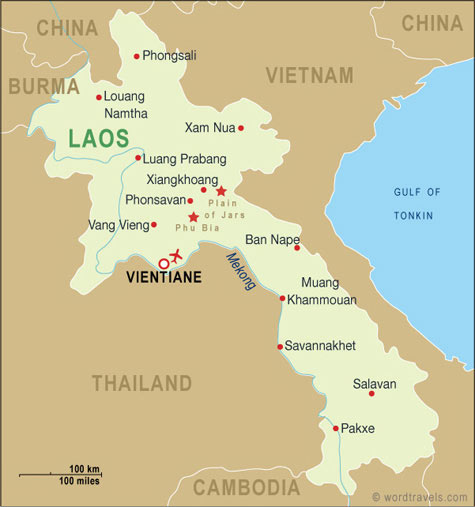
     Laos is a small country surrounded by China, Vietnam, Thailand, Myanmar (Burma), and Cambodia. Laos is not very developed, so there are lots of little villages and a few main big cities. These include the capital, Vientiane, and Luang Probang, where we will live.


Here is a map of Laos. You can see lots of cities and the neighboring countries.
My dad is working at the childrens hospital in Luang Probang. Jina and I will also go to school.

Tuesday, June 23, 2015

Ock Pop Tok (์˜ฅ ํŒ ํ†ก)

A few days ago I went to a Lao cloth shop called Ock Pop Tok. It was started by a Western woman and a Lao woman, working together to preserve the Lao weaving culture. Daddy said that Ock Pop Tok means East Meets West, and they have a workshop where you can see people make the cloth. So we rode a tuk tuk (kind of Taxi) to the workshop.
๋ฉฐ์น ์ „์— ์˜ฅํŒํ†ก์ด๋ผ๋Š” ๋ผ์˜ค์Šค์˜ท๊ฐ€๊ฒŒ์— ๊ฐ”์Šต๋‹ˆ๋‹ค. ๋ผ์˜ค์Šค์˜ ์ง์กฐ ๋ฌธํ™”๋ฅผ ๋ณด์ „ํ•˜๊ธฐ ์œ„ํ•ด ์„œ์–‘์˜ ์—ฌ์ž์™€ ๋ผ์˜ค์Šค์˜ ์—ฌ์ž๊ฐ€ ํ•จ๊ป˜ ์‹œ์ž‘ํ–ˆ์Šต๋‹ˆ๋‹ค. ์•„๋น ๋ง์”€์ด ์˜ฅํŒํ†ก์˜ ์˜๋ฏธ๊ฐ€ ๋™๋ฐฉ๊ณผ ์„œ์–‘์˜ ๋งŒ๋‚จ์ด๋ผ๊ณ  ํ•˜์…จ๊ณ  ์˜ท์„ ๋งŒ๋“œ๋Š” ์‚ฌ๋žŒ๋“ค์„ ๋ณผ์ˆ˜์žˆ๋Š” ์›Œํฌ์ƒต์ด ์žˆ๋‹ค๊ณ  ํ•˜์…จ์Šต๋‹ˆ๋‹ค. ๊ทธ๋ž˜์„œ ์šฐ๋ฆฌ๋Š” ํˆญํˆญ (ํƒ์‹œ๊ฐ™์€ ๊ฒƒ)์„ ํƒ€๊ณ  ๊ฑฐ๊ธฐ์— ๊ฐ”์Šต๋‹ˆ๋‹ค. 

I took all of the pictures, except for the very last one.
์ œ์ผ ๋งˆ์ง€๋ง‰ ์‚ฌ์ง„์„ ์ œ์™ธํ•˜๊ณ  ๋ชจ๋“  ์‚ฌ์ง„์„ ์ œ๊ฐ€ ์ฐ์—ˆ์Šต๋‹ˆ๋‹ค.


MAKING CLOTH (์˜ท ๋งŒ๋“ค๊ธฐ)

Phase 1. Making and dying the silk thread.
๊ณผ์ • 1. ์‹คํฌ์‚ฌ ์ œ์ž‘๊ณผ ์—ผ์ƒ‰


The silkworms. They're the little tan things eating the green leaves. If you click on the picture, you can look at them close up. The big white thing on the left is a silk worm cocoon.
๋ˆ„์—. ์ดˆ๋ก๋น›์„ ๋จน๊ณ  ์žˆ๋Š” ์ž‘์€ ํƒ ์นผ๋Ÿฌ๊ฐ€ ๋ˆ„์—์ž…๋‹ˆ๋‹ค. ์‚ฌ์ง„์„ ํด๋ฆญํ•˜์…”์„œ ํด๋กœ์ฆˆ์—…์„ ํ•ด๋ณด์‹œ๋ฉด ์ž˜ ๋ณด์‹ค ์ˆ˜ ์žˆ์œผ์‹ค ๊ฒ๋‹ˆ๋‹ค. ์™ผ์ชฝ์— ์žˆ๋Š” ํ•˜์–€ ๊ฒƒ์€ ์‹คํฌ๋ˆ„์—๊ณ ์น˜์ž…๋‹ˆ๋‹ค.  


The silkworms make these cocoons. People take the fibers from the cocoons to make silk.
๋ˆ„์—๋“ค์ด ์ด ๊ณ ์น˜๋ฅผ ๋งŒ๋“ญ๋‹ˆ๋‹ค. ์‚ฌ๋žŒ๋“ค์€ ์ด ๊ณ ์น˜์—์„œ ์‹คํฌ๋ฅผ ๋งŒ๋“ค๊ธฐ ์œ„ํ•œ ์„ฌ์œ ๋ฅผ ๋ฝ‘์•„๋ƒ…๋‹ˆ๋‹ค.

This is the silk after the first boiling. They can boil it several times to make it softer.
์ด๊ฒƒ์€ ์ฒ˜์Œ ์‚ถ์€ ํ›„์˜ ์‹คํฌ์ž…๋‹ˆ๋‹ค.

This is after it is boiled again. 
์ด๊ฒƒ์€ ๋‹ค์‹œ ํ•œ๋ฒˆ ์‚ถ์€ ํ›„์˜ ๋ชจ์Šต์ž…๋‹ˆ๋‹ค.

This chart shows all the different plants and things that make different colors.
์ด ์•„ํŠธ๋Š” ์—ฌ๋Ÿฌ๊ฐ€์ง€์˜ ์ƒ‰์ƒ์„ ๋งŒ๋“œ๋Š” ์‹๋ฌผ์ด๋‚˜ ๋ฌผ๊ฑด๋“ค์„ ๋ณด์—ฌ์ค๋‹ˆ๋‹ค.

Here is one of the seeds from the tamarind tree. This seed is one of the dyes in the chart above.
ํƒ€๋งˆ๋ฆฐ๋“œ ๋‚˜๋ฌด์˜ ์”จ์ž…๋‹ˆ๋‹ค. ์ด ์”จ๋Š” ์œ„ ์ฐจํŠธ์— ์—ผ์ƒ‰์žฌ๋ฃŒ์ค‘ ํ•˜๋‚˜์ž…๋‹ˆ๋‹ค. 
Here is the tree where the seed pod came from. It is really cool that they can get everything they need from their garden to make their silk and weave it. 
์œ„์˜ ์”จ๊ฐ€ ๋‚˜์˜จ ๋‚˜๋ฌด๊ฐ€ ์—ฌ๊ธฐ์— ์žˆ์Šต๋‹ˆ๋‹ค. ์‹คํฌ๋ฅผ ๋งŒ๋“ค ์ˆ˜ ์žˆ๋Š” ๋ชจ๋“  ์žฌ๋ฃŒ๋ฅผ ์—ฌ๊ธฐ์„œ ์–ป์„ ์ˆ˜ ์žˆ๋‹ค๋Š” ๊ฒƒ์ด ์•„์ฃผ ๋ฉ‹์ง‘๋‹ˆ๋‹ค.

Here you can see some of the other things to use for dying silk different colors. The materials are on the right, and the dyed silk is hanging on the left.
์—ฌ๊ธฐ์— ๋‹ค๋ฅธ ์ƒ‰๊น”๋กœ ์—ผ์ƒ‰ํ•  ์ˆ˜ ์žˆ๋Š” ์žฌ๋ฃŒ๋“ค์ด ์žˆ์Šต๋‹ˆ๋‹ค. ์žฌ๋ฃŒ๋“ค์€ ์˜ค๋ฅธ์ชฝ์— ์—ผ์ƒ‰๋œ ์‹คํฌ๋“ค์€ ์™ผ์ชฝ์— ๊ฑธ๋ ค์žˆ์Šต๋‹ˆ๋‹ค.

this is the pot and the stove for boiling the dyes.
์—ผ๋ฃŒ๋ฅผ ๋“์ด๋Š” ์Šคํ† ๋ธŒ์™€ ๋‚จ๋น„์ž…๋‹ˆ๋‹ค.

This is a photo of the spinning wheel used to wind the colored thread onto a spool so you can use it on a loom to weave cloth. The lady turns the crank, which spins the big wheel. The big wheel turns the little spool of thread which is the long skinny orange thing on the left side. Each time the big wheel turns, it spins the spool of thread one hundred times, so you can spin the thread really fast. 


Phase2. WEAVING
๊ณผ์ • 2. ์ง์กฐ

These are some of the colors of thread to choose from.
This is the shuttle, which holds the spools of thread. The weaver slides the shuttle back and forth between the strings on the loom. Some shuttles have one thread, others have two, and some even have three! Actually, if you look closely, you can tell that this shuttle has room for three  spools of thread, but only two are being used.

The looms look very complicated. Here is a video of a woman we saw weaving at a village near Luang Prabang. You can see how she uses the foot pedals to move every other thread up or down, and how she slides the shuttle between them to weave the thread. Then she uses the comb to make sure it is tight. 


Here is a much fancier pattern. This kind takes a lot more work. 
This picture shows which ethnic groups from where make what sort of cloth patterns (and elephants). Ock Pop Tock does about half of their weaving at the workshop and about half is done by women in these villages. 
This is a different kind of  pattern made with white cotton fabric, wax and dye. You use a pen-like thing to make patterns in black wax on the cloth. Then you dye the cloth and then clean off the wax to make white pattern on your cloth where the wax used to be!

The pillow in back shows what it looks like after it is dyed and cleaned. Sometimes the sewing people add beads and things on the bags and clothes like this...
์ € ๋’ค์— ์žˆ๋Š” ์ฟ ์…˜์„ ๋ณด์‹œ๋ฉด ์—ผ์ƒ‰ํ•˜๊ณ  ์„ธํƒ ํ›„์— ์–ด๋–ป๊ฒŒ ๋ณด์ด๋Š”์ง€ ์•„์‹ค ์ˆ˜ ์žˆ์Šต๋‹ˆ๋‹ค. ์–ด๋–จ ๋•Œ๋Š” ๊ตฌ์Šฌ์„ ๊ฐ€๋ฐฉ์ด๋‚˜ ์ฒœ์— ์ด๋ ‡๊ฒŒ ๋”ํ•˜๊ธฐ๋„ ํ•ฉ๋‹ˆ๋‹ค. 

...and this. ๊ทธ๋ฆฌ๊ณ  ์ด๊ฑฐ...

you can make lots of the same patterned cloth with different colors.
๊ฐ™์€ ํŒจํ„ด์˜ ์˜ท๊ฐ์„ ๋‹ค๋ฅธ ์ƒ‰์ƒ์œผ๋กœ ๋งŒ๋“ค ์ˆ˜ ์žˆ์Šต๋‹ˆ๋‹ค.


These are sinhs, traditional lao skirts.
์ด๋“ค์ด ๋ผ์˜ค์Šค์˜ ์ „ํ†ต ์น˜๋งˆ์ธ '์‹ '์ž…๋‹ˆ๋‹ค.

Jina and me in our sinhs that we bought from the night market, with the person who made them.
์ง„์•„์™€ ์ œ๊ฐ€ ์•ผ์‹œ์žฅ์—์„œ ์‚ฐ '์‹ '์„ ์ž…๊ณ  ์ด ์˜ท์„ ๋งŒ๋“  ์‚ฌ๋žŒ๊ณผ ํ•จ๊ป˜ ์ฐ์€ ์‚ฌ์ง„์ž…๋‹ˆ๋‹ค. 

I hope you enjoyed learning about traditional Lao silk weaving culture as much as I did.
๋ผ์˜ค์Šค์˜ ์ „ํ†ต์‹คํฌ ์ง์กฐ์— ๋Œ€ํ•ด ๋ฐฐ์šฐ๋Š” ๊ฒƒ์„ ์ €๋งŒํผ ์ฆ๊ธฐ์…จ๊ธฐ๋ฅผ ๋ฐ”๋ž๋‹ˆ๋‹ค.


Tuesday, June 16, 2015

✒️Jina's Blog๐Ÿ‘ง

My sister Jina asked me to tell everyone that she's starting a blog too. So guess what? Jina's starting a blog too! To get there Tap this link: Jina-world-wide.blogspot.com. Be sure to check it out!


๋‚ด ๋™์ƒ ์ง„์•„๊ฐ€ ๋ธ”๋กœ๊ทธ๋ฅผ ์‹œ์ž‘ํ•œ๋‹ค๊ณ  ๋ชจ๋‘์—๊ฒŒ ๋งํ•ด๋‹ฌ๋ผ๊ณ  ํ–ˆ์Šต๋‹ˆ๋‹ค. ๊ทธ๋ž˜์„œ์š”. ์ง„์•„๊ฐ€ ๋ธ”๋กœ๊ทธ๋ฅผ ์‹œ์ž‘ํ•ด์š”! ๊ฑฐ๊ธฐ์— ๊ฐ€๊ธฐ ์œ„ํ•ด์„œ๋Š” ์ด ๋งํฌ Jina-world-wide.blogspot.com ๋ฅผ ํด๋ฆญํ•˜์„ธ์š”. ํ•œ๋ฒˆ ์ฒดํฌํ•ด ๋ณด์„ธ์š”!

Monday, June 15, 2015

✒️Elephant Camp๐Ÿ˜ ์ฝ”๋ผ๋ฆฌ ์บ ํ”„

A few days ago we got up early in the morning, ate breakfast quickly, and were out the door by 8:30 in the morning. We were going to Elephant Camp!
๋ฉฐ์น  ์ „, ์•„์นจ์— ์ผ์ฐ ์ผ์–ด๋‚˜ ์•„์นจ์‹์‚ฌ๋ฅผ ๋นจ๋ฆฌํ•˜๊ณ  8์‹œ 30๋ถ„์— ์ง‘์„ ๋‚˜์„ฐ์Šต๋‹ˆ๋‹ค. ์ฝ”๋ผ๋ฆฌ ์บ ํ”„๋ฅผ ๊ฐ€๊ธฐ ์œ„ํ•ด์„œ์˜€์Šต๋‹ˆ๋‹ค!

     Our schedule:
               FEEDING
               RIDING
               FEEDING
               BATHING
               FEEDING
               WATERFALL

์šฐ๋ฆฌ ์Šค์ผ€์ค„์€:
    ๋จน์ด์ฃผ๊ธฐ
    ํƒ€๊ธฐ
    ๋จน์ด์ฃผ๊ธฐ
    ๋ชฉ์š•์‹œํ‚ค๊ธฐ
    ๋จน์ด์ฃผ๊ธฐ
    ํญํฌ๋ฐฉ๋ฌธ์ž…๋‹ˆ๋‹ค.

      Asian Elephant facts:
          I learned that elephants eat A LOT of food. In fact, they eat 20 hours a day (sometimes while walking or working)! The other 4 hours they sleep.๐ŸŒ™ An average adult Asian elephant eats about 770 pounds (350 kilograms) and drink 160 liters of water a day. The babies eat sugar cane and the adults eat banana trees. They like to eat the tree trunks, but they can eat any part of the tree.
์•„์‹œ์•„ ์ฝ”๋ผ๋ฆฌ ํŒฉํŠธ:
์ฝ”๋ผ๋ฆฌ๋“ค์€ ์—„์ฒญ๋‚œ ์–‘์˜ ์Œ์‹์„ ๋จน๋Š”๋‹ค๋Š” ๊ฒƒ์„ ๋ฐฐ์› ์Šต๋‹ˆ๋‹ค. ์‚ฌ์‹ค ์ฝ”๋ผ๋ฆฐ ํ•˜๋ฃจ์— 20์‹œ๊ฐ„ (์–ด๋–จ ๋•Œ๋Š” ๊ฑท๊ฑฐ๋‚˜ ์ผํ•  ๋•Œ๋„) ์„ ๋จน์Šต๋‹ˆ๋‹ค. ๋‚˜๋จธ์ง€ 4์‹œ๊ฐ„์€ ์ž ์„ ์žก๋‹ˆ๋‹ค. ํ‰๊ท ์ ์œผ๋กœ ์–ด๋ฅธ ์•„์‹œ์•„ ์ฝ”๋ผ๋ฆฌ๋Š” ํ•˜๋ฃจ์— ์•ฝ 770 ํŒŒ์šด๋“œ (350 ํ‚ฌ๋กœ)๋ฅผ ๋จน๊ณ  160 ๋ฆฌํ„ฐ์˜ ๋ฌผ์„ ๋งˆ์‹ญ๋‹ˆ๋‹ค. ๋‚˜๋ฌด ๋ฐ‘๋‘ฅ์„ ๋จน๋Š” ๊ฑธ ์ข‹์•„ํ•˜์ง€๋งŒ ๋‚˜๋ฌด์˜ ๋‹ค๋ฅธ ๋ถ€๋ถ„๋“ค๋„ ๋จน์Šต๋‹ˆ๋‹ค.

     Before 1975 many elephants fled Laos or were killed because of toxins and bombings. Only 1,200 elephants were left :(, but now there are more :)!
     Laos used to be called Lan Xang, meaning Land of a Million Elephants.
     All the elephants at the camp are female because male elephants tend to make more trouble, and are harder to control.
      Babies are also mischivious, so they have to wait until they are around two or three years old to see the tourists. 
1975๋…„ ์ด์ „์— ๋…๊ณผ ํญํƒ„์œผ๋กœ ์ธํ•ด ๋งŽ์€ ์ฝ”๋ผ๋ฆฌ๊ฐ€ ๋ผ์˜ค์Šค๋ฅผ ๋– ๋‚˜๊ฑฐ๋‚˜ ์ฃฝ์—ˆ์Šต๋‹ˆ๋‹ค. 1200 ์ฝ”๋ผ๋ฆฌ๋งŒ์ด ์‚ด์•„๋‚จ์•˜์œผ๋‚˜ ์ง€๊ธˆ์€ ๊ทธ ๋ณด๋‹ค ๋งŽ์Šต๋‹ˆ๋‹ค. ๋ผ์˜ค์Šค๋Š” ์˜›๋‚ ์—๋Š” ๋ž€์Œ์ด๋ผ๊ณ  ๋ถˆ๋ ธ๋Š”๋ฐ ๋ฐฑ๋งŒ์ฝ”๋ผ๋ฆฌ์˜ ๋•…์ด๋ผ๋Š” ๋œป์ด๋ผ๊ณ  ํ•ฉ๋‹ˆ๋‹ค. ๋ชจ๋“  ์บ ํ”„์— ์žˆ๋Š” ์ฝ”๋ผ๋ฆฌ๋Š” ์•”์ปท์ธ๋ฐ ์ˆ˜์ปท์€ ๋ฌธ์ œ๋ฅผ ๋งŽ์ด ๋งŒ๋“ค๊ณ  ๊ธธ๋“ค์ด๊ธฐ๊ฐ€ ํž˜๋“ค๊ธฐ ๋•Œ๋ฌธ์ž…๋‹ˆ๋‹ค. ์•„๊ธฐ ์ฝ”๋ผ๋ฆฌ๋“ค๋„ ์žฅ๋‚œ์„ ์ข‹์•„ํ•˜๋ฏ€๋กœ ๋‘์‚ด์ด๋‚˜ ์„ธ์‚ด์€ ๋˜์–ด์•ผ ๊ด€๊ด‘๊ฐ์„ ๋งŒ๋‚  ์ˆ˜ ์žˆ์Šต๋‹ˆ๋‹ค.


Feeding the Baby Elephants (์•„๊ธฐ ์ฝ”๋ผ๋ฆฌ ๋จน์ด ์ฃผ๊ธฐ)

The sanctuary has two baby elephants. One is three years old,the other is four years old. This is me and the three year old baby. She still eats sugar cane stalks, but is learning to eat banana trees.
์ฝ”๋ผ๋ฆฌ ๋ณดํ˜ธ๊ตฌ์—ญ์—๋Š” ๋‘๋ง์ด ์•„๊ธฐ ์ฝ”๋ผ๋ฆฌ๊ฐ€ ์žˆ์—ˆ์Šต๋‹ˆ๋‹ค. ํ•˜๋‚˜๋Š” ์„ธ์‚ด์ด๊ณ  ๋‹ค๋ฅธ ํ•˜๋‚˜๋Š” ๋„ค์‚ด์ž…๋‹ˆ๋‹ค.  ์ด ์‚ฌ์ง„์€ ์ €์™€ ์„ธ์‚ด์งœ๋ฆฌ ์ฝ”๋ผ๋ฆฌ์ž…๋‹ˆ๋‹ค. ์•„์ง๋„ ์‚ฌํƒ•์ˆ˜์ˆ˜๋ฅผ ๋จน์ง€๋งŒ ๋ฐ”๋‚˜๋‚˜ ๋‚˜๋ฌด๋ฅผ ๋จน๋Š” ๊ฒƒ์„ ๋ฐฐ์šฐ๊ณ  ์žˆ๋Š” ์ค‘์ž…๋‹ˆ๋‹ค.
Jina, me, and the four year old baby. She eats only the very inside of the banana tree trunks because it is softer. With Asian Elephants usually only the male elephants have tusks, but for some reason, she has tusks too. The people at the camp said she is 'confused'. If you look closely, you can see them. The tusks are lower than you might think. I read in a book once that elephants, like people, prefer their right or left side. She prefers her left tusk for peeling the outside of the tree trunks. In her mouth you can see the outer part of the inside part of the banana tree, which she pulls off with her tusks and then spits out. I have to admit, she is not exactly a neat eater... there are tree trunk scraps all over the floor!!!
์ด ์‚ฌ์ง„์€ ์ง„, ์ €์™€  ์•„๊ธฐ์ž…๋‹ˆ๋‹ค. ๋ฐ”๋‚˜๋‚˜์˜ ์•ˆ์ชฝ์˜ ๋ถ€๋“œ๋Ÿฌ์šด ๋ถ€๋ถ„๋งŒ ๋จน์Šต๋‹ˆ๋‹ค.. ์•„์‹œ์•„ ์ฝ”๋ผ๋ฆฌ๋“ค์€ ๋ณดํ†ต ์ˆ˜์ปท๋งŒ ์ƒ์•„๋ฅผ ๊ฐ€์ง€๋Š”๋ฐ ์–ด๋–ค ์ด์œ ์—์„œ์ธ์ง€ ์ด ์•„๊ธฐ๋Š” ์ƒ์•„๋ฅผ ๊ฐ€์ง€๊ณ  ์žˆ์Šต๋‹ˆ๋‹ค. ์บ ํ”„์— ์žˆ๋Š” ์‚ฌ๋žŒ์˜ ๋ง๋กœ ์ด ์ฝ”๋ผ๋ฆฌ๊ฐ€ ํ—ท๊ฐˆ๋ คํ•˜๊ณ  ์žˆ๊ธฐ ๋•Œ๋ฌธ์ด๋ผ๊ณ  ํ•ฉ๋‹ˆ๋‹ค. ์ž์„ธํžˆ ๋ณด๋ฉด ๋ณด์‹ค ์ˆ˜ ์žˆ์„ ๊ฒ๋‹ˆ๋‹ค. ์ƒ๊ฐ๋ณด๋‹ค ์ƒ์•„๊ฐ€ ์•„๋ž˜์ชฝ์— ๋‹ฌ๋ ค ์žˆ์Šต๋‹ˆ๋‹ค. ์–ธ์ œ๊ฐ€ ์ฑ…์—์„œ ์ฝ์—ˆ๋Š”๋ฐ ์ฝ”๋ผ๋ฆฌ๋“ค๋„ ์™ผ์ชฝ์ด๋‚˜ ์˜ค๋ฅธ์ชฝ ํ•œ์ชฝ์„ ์„ ํ˜ธํ•œ๋‹ค๊ณ  ํ•ฉ๋‹ˆ๋‹ค. ์ด ์•„๊ธฐ๋Š” ์™ผ์ชฝ ์ƒ์•„๋ฅผ ์จ์„œ ๋‚˜๋ฌด ๋ฐ‘๋‘ฅ์˜ ๊ป์งˆ์„ ๋ฒ—๊ธฐ๋Š” ๊ฒƒ์„ ์„ ํ˜ธํ–ˆ์Šต๋‹ˆ๋‹ค. ์ด ์ฝ”๋ผ๋ฆฌ ์ž…์•ˆ์„ ๋ณด์‹œ๋ฉด ๋ฐ”๋‚˜๋‚˜ ๋‚˜๋ฌด ๋ฐ‘๋‘ฅ์˜ ์•ˆ์ชฝ ๋ฐ”๊นฅ๋ถ€๋ถ„์„ ๋ณด์‹ค ์ˆ˜ ์žˆ๋Š”๋ฐ ๊ป๋ฐ๊ธฐ๋Š” ์ƒ์•„๋กœ ๋นผ๋ฒ„๋ฆฌ๊ณ  ๋ฑ‰์–ด๋ฒ„๋ฆฝ๋‹ˆ๋‹ค. ๊ณ ๋ฐฑํ•˜๊ฑด๋Œ€, ์ด ์ฝ”๋ผ๋ฆฌ๋Š” ๊น”๋”ํ•˜๊ฒŒ ์‹์‚ฌํ•˜์‹œ๋Š” ์•Š์•˜์Šต๋‹ˆ๋‹ค... ๋ฐ”๋‹ฅ์— ๋‚˜๋ฌด๋ฐ‘๋‘ฅ ์ฐŒ๊บผ๊ธฐ๊ฐ€ ๋ฐ”๋‹ฅ์— ์—ฌ๊ธฐ์ €๊ธฐ ํฉ์–ด์ ธ ์žˆ์—ˆ๊ฑฐ๋“ ์š”.

This is the four year old again. See her tusks?
๋„ค์‚ด๋ฐ•์ด ์ž…๋‹ˆ๋‹ค. ์ƒ์•„๊ฐ€ ๋ณด์ด์‹œ์ฃ ?


Feeding the Big Elephants (ํฐ ์ฝ”๋ผ๋ฆฌ ๋จน์ด ์ฃผ๊ธฐ)

These are two of the riding elephants. They're older and stronger, and eat almost all the banana tree trunks. One elephant gathered up a ton at a time in her trunk to keep for herself without the danger of other elephants stealing 'her' food.
์ด ๋‘ ์ฝ”๋ผ๋ฆฌ๋Š” ํƒˆ ์ˆ˜ ์žˆ์Šต๋‹ˆ๋‹ค. ๋‚˜์ด๊ฐ€ ์ข€ ๋” ๋งŽ๊ณ  ํž˜์ด ์„ธ๋ฉฐ, ๋Œ€๋ถ€๋ถ„ ๋ฐ”๋‚˜๋‚˜ ๋‚˜๋ฌด ๋ฐ‘๋‘ฅ์„ ๋จน์Šต๋‹ˆ๋‹ค. ํ•œ ์ฝ”๋ผ๋ฆฌ๋Š” ๋‹ค๋ฅธ ์ฝ”๋ผ๋ฆฌ๋“ค์ด ์ž์‹ ์˜ ๋จน์ด๋ฅผ ํ›”์น˜์ง€ ์•Š๋„๋ก ํ•œ๋ฒˆ์— ๋งŽ์€ ๋จน์ด๋ฅผ ๋ชจ์•„ ๋จน์—ˆ์Šต๋‹ˆ๋‹ค. 


Riding the Elephants (์ฝ”๋ผ๋ฆฌ ํƒ€๊ธฐ)
This is the building you use to climb on the elephants back, because elephants are so big. Look closely to see me on the building.
์ฝ”๋ผ๋ฆฌ๋“ค์ด ์›Œ๋‚™ ํฌ๊ธฐ ๋•Œ๋ฌธ์— ์ด ๋นŒ๋”ฉ์€ ์ฝ”๋ผ๋ฆฌ ๋“ฑ์— ์˜ฌ๋ผํƒ€๊ธฐ ์œ„ํ•ด ์“ฐ์ž…๋‹ˆ๋‹ค. ์ž์„ธํžˆ ๋ณด์‹œ๋ฉด ๋นŒ๋”ฉ์•ˆ์— ์žˆ๋Š” ์ €๋ฅผ ๋ณด์‹ค ์ˆ˜ ์žˆ์œผ์‹ค ๊ฒ๋‹ˆ๋‹ค.

Me on the elephant saddle. The driver holds the elephant in place while Daddy gets on.
์ฝ”๋ผ๋ฆฌ ์•ˆ์žฅ์— ์•‰์€ ์ €์˜ ๋ชจ์Šต์ž…๋‹ˆ๋‹ค. ์•„๋น ๊ฐ€ ํƒ€๊ณ  ์žˆ๋Š” ๋™์•ˆ ์šด์ „์‚ฌ๊ฐ€ ์ฝ”๋ผ๋ฆฌ๋ฅผ ์žก๊ณ  ์žˆ์Šต๋‹ˆ๋‹ค.

Jina's elephant kept stopping for snacks!
์ง„์•„์˜ ์ฝ”๋ผ๋ฆฌ๊ฐ€ ์Šค๋„ฅ์„ ๋จน๊ธฐ ์œ„ํ•ด ๊ณ„์† ๋ฉˆ์ถ”์—ˆ์–ด์š”!

The view of the Mekong River.
๋ฉ”์ฝฉ๊ฐ•์˜ ํ’๊ฒฝ

Near the end of the trip, our driver got off to open the gate, but Kamun (the elephant) was a good girl and followed the trail, even with no driver.
์—ฌํ–‰์„ ๋งˆ์น ๋ฌด๋ ต, ์šฐ๋ฆฌ ์กฐ๋ จ์‚ฌ๊ฐ€ ๊ฒŒ์ดํŠธ๋ฅผ ์—ด๊ธฐ ์œ„ํ•ด ๋‚ด๋ ธ์œผ๋‚˜ ์นด๋ฌธ(์šฐ๋ฆฌ ์ฝ”๋ผ๋ฆฌ)๋Š” ๋ง์„ ์ž˜ ๋“ฃ๊ณ  ์กฐ๋ จ์‚ฌ์—†์ด๋„ ๊ธธ์„ ์ž˜ ๋”ฐ๋ผ๊ฐ”์Šต๋‹ˆ๋‹ค.

Bathing the Elephants (์ฝ”๋ผ๋ฆฌ ๋ชฉ์š• ์‹œํ‚ค๊ธฐ)

Later, we put on our swim suits and went to bathe the elephants. This time, we sat behind the head of the elephant, without a saddle. I actually felt safer sitting on the elephant than sitting on the saddle, because the saddle tilted a lot.
๋‚˜์ค‘์—, ์ˆ˜์˜๋ณต์„ ์ž…๊ณ  ์ฝ”๋ผ๋ฆฌ ๋ชฉ์š•์„ ์‹œํ‚ค๋Ÿฌ ๊ฐ”์Šต๋‹ˆ๋‹ค. ์ด๋ฒˆ์—๋Š” ์•ˆ์žฅ์—†์ด ์ฝ”๋ผ๋ฆฌ ๋จธ๋ฆฌ ๋’ค์— ํƒ”์Šต๋‹ˆ๋‹ค. ์•ˆ์žฅ์ด ๋งŽ์ด ๋น„๋šค์–ด์ ธ ์žˆ์—ˆ๊ธฐ ๋•Œ๋ฌธ์— ์•ˆ์žฅ์— ์•‰๋Š” ๊ฒƒ ๋ณด๋‹ค ์ฝ”๋ผ๋ฆฌ์— ์ง์ ‘ ์•‰๋Š” ๊ฒƒ์ด ๋” ์•ˆ์ „ํ•˜๊ฒŒ ๋А๊ปด์กŒ์Šต๋‹ˆ๋‹ค.


We took turns bathing the elephants, three elephants at a time. You pour water on the elephants back and head, and sometimes the elephant went underwater with just the trunk poking out of the water to let the elephant breathe. That is why Mommy looks like she is swimming. She's actually sitting on her elephant, who's underwater.
์šฐ๋ฆฌ๋Š” ์ฐจ๋ก€๋กœ ์„ธ๋งˆ๋ฆฌ์˜ ์ฝ”๋ผ๋ฆฌ๋ฅผ ๋ชฉ์š•์‹œ์ผฐ์Šต๋‹ˆ๋‹ค. ์ฝ”๋ผ๋ฆฌ์˜ ๋จธ๋ฆฌ์™€ ๋“ฑ์— ๋ฌผ์„ ๋ถ“๊ณ  ์–ด๋–จ ๋•Œ๋Š” ์ˆจ์‰ฌ๊ธฐ ์œ„ํ•ด ์ฝ”๋งŒ ๋ฐ–์— ๋‚ด ๋†“๊ณ  ๋ฌผ ๋ฐ‘์œผ๋กœ ์™„์ „ํžˆ ๋ชธ์„ ๋‹ด๊ถœ์Šต๋‹ˆ๋‹ค. ๊ทธ๋ž˜์„œ ์—„๋งˆ๊ฐ€ ์ˆ˜์˜์„ ํ•˜๊ณ  ์žˆ๋Š” ๊ฒƒ์ฒ˜๋Ÿผ ๋ณด์ž…๋‹ˆ๋‹ค. ์‚ฌ์‹ค ์—„๋งˆ๋Š” ๋ฌผ๋ฐ‘์— ๋‚ด๋ ค๊ฐ„ ์ฝ”๋ผ๋ฆฌ๋ฅผ ํƒ€๊ณ  ์žˆ๋‹ต๋‹ˆ๋‹ค.
๐ŸŠ
๐Ÿ˜


 After bathing the elephants, we showered quickly and prepared to go to the waterfall - our next stop, and my next post.
์ฝ”๋ผ๋ฆฌ๋ฅผ ๋ชฉ์š•์‹œํ‚จ ํ›„, ์ƒค์›Œ๋ฅผ ๋นจ๋ฆฌ ๋งˆ์นœํ›„ ๋‹ค์Œ ๋ธ”๋กœ๊ทธ ํฌ์ŠคํŠธ๊ฐ€ ๋  ํญํฌ์— ๊ฐˆ ์ฑ„๋น„๋ฅผ ํ–ˆ์Šต๋‹ˆ๋‹ค.
๐Ÿ˜๐Ÿ˜๐Ÿ˜

Friday, June 12, 2015

✒️Tuk Tuk ๐Ÿšฒ๐Ÿ˜„ ํˆญํˆญ

Some days when its just too hot to walk to wherever we're going, we can take a tuk tuk. A tuk tuk is kind of a taxi that is a motorcycle with a cart on back for riding in. It's called a 'tuk tuk' because when you ride in it the cart rattles and it sounds like "tuk tuk tuk tuk tuk".

๋„ˆ๋ฌด ๋”์›Œ์„œ ๊ฑท๊ธฐ๊ฐ€ ํž˜๋“ค๋ฉด ํˆญํˆญ์„ ํƒˆ ์ˆ˜ ์žˆ์Šต๋‹ˆ๋‹ค. ํˆญํˆญ์€ ์˜คํ† ๋ฐ”์ด์— ์นดํŠธ๋ฅผ ๋‹ฌ์•„ ์‚ฌ๋žŒ๋“ค์„ ํƒœ์šธ ์ˆ˜ ์žˆ๊ฒŒ ๋งŒ๋“  ํƒ์‹œ๊ฐ™์€ ๊ฒ๋‹ˆ๋‹ค. ํˆญํˆญ์ด๋ผ ๋ถ€๋ฅด๋Š” ์ด์œ ๋Š” ํƒˆ ๋•Œ ์นดํŠธ๊ฐ€ ํ”๋“ค๋ฆฌ๋ฉฐ ๋‚ด๋Š” "ํˆญํˆญํˆญํˆญ" ์†Œ๋ฆฌ๋ฅผ ํ‰๋‚ด๋‚ธ ๊ฒƒ์ž…๋‹ˆ๋‹ค.

Daddy, the tuk tuk driver and the tuk tuk after our ride.
์šฐ๋ฆฌ๊ฐ€ ๋‚ด๋ฆฐ ํ›„์— ์•„๋น  ํˆญํˆญ ์šด์ „์‚ฌ์™€ ํˆญํˆญ์ด.